
Creatine for High School Athletes: Is It Worth It?
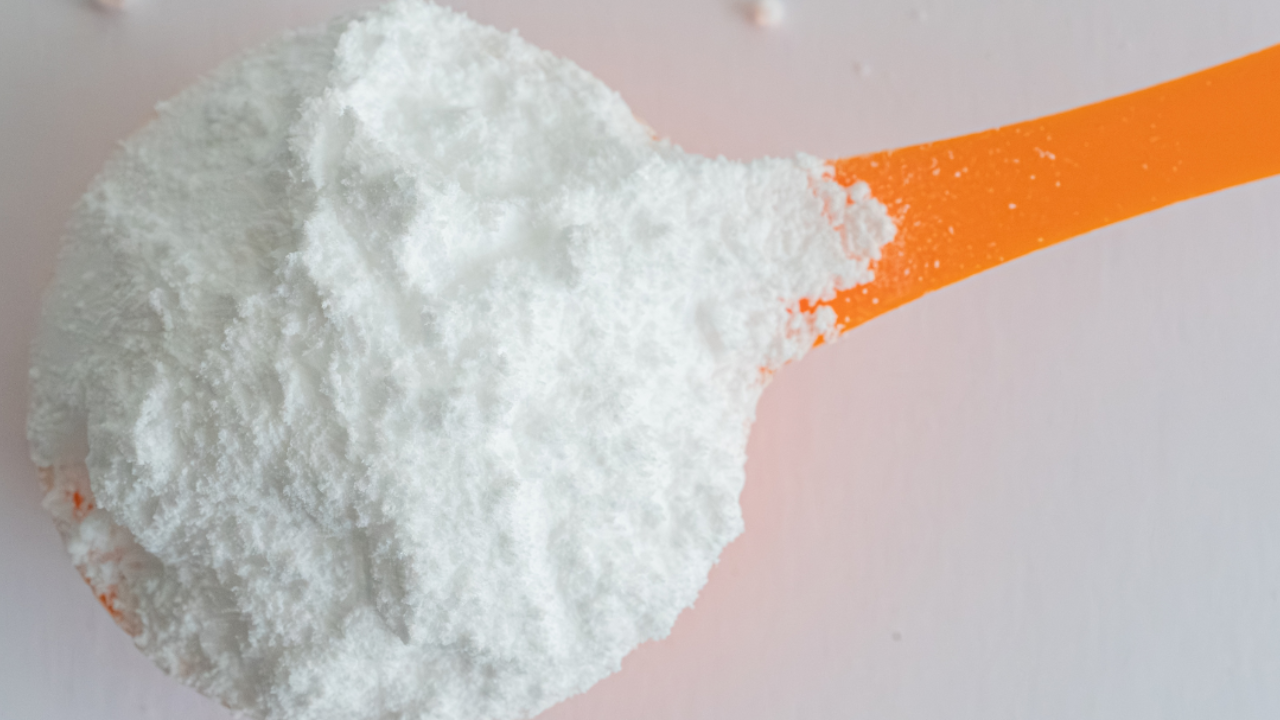
Creatine has become one of the most talked-about supplements in sports nutrition. High school athletes are hearing about it from teammates, coaches, social media, and fitness influencers. And naturally, parents are asking questions.
Is creatine safe for teenagers? Does it actually work? Which athletes benefit most? And how much should they take?
As a sports dietitian who works with high school, collegiate athletes and adult athletes, I believe it's important to separate the science from the hype.
What Is Creatine?
Creatine is a naturally occurring compound produced by the body and found in foods such as beef, chicken, and fish.
Approximately 95% of the body's creatine is stored in skeletal muscle, where it helps regenerate ATP, the primary energy source used during exercise.
Think of creatine as a way to help muscles rapidly replenish energy during intense efforts.
During activities such as sprinting, jumping, lifting weights, or accelerating on the ice or field, muscles rely heavily on this energy system.
By increasing stored creatine, supplementation may help athletes maintain higher-quality efforts during repeated bursts of intense exercise.
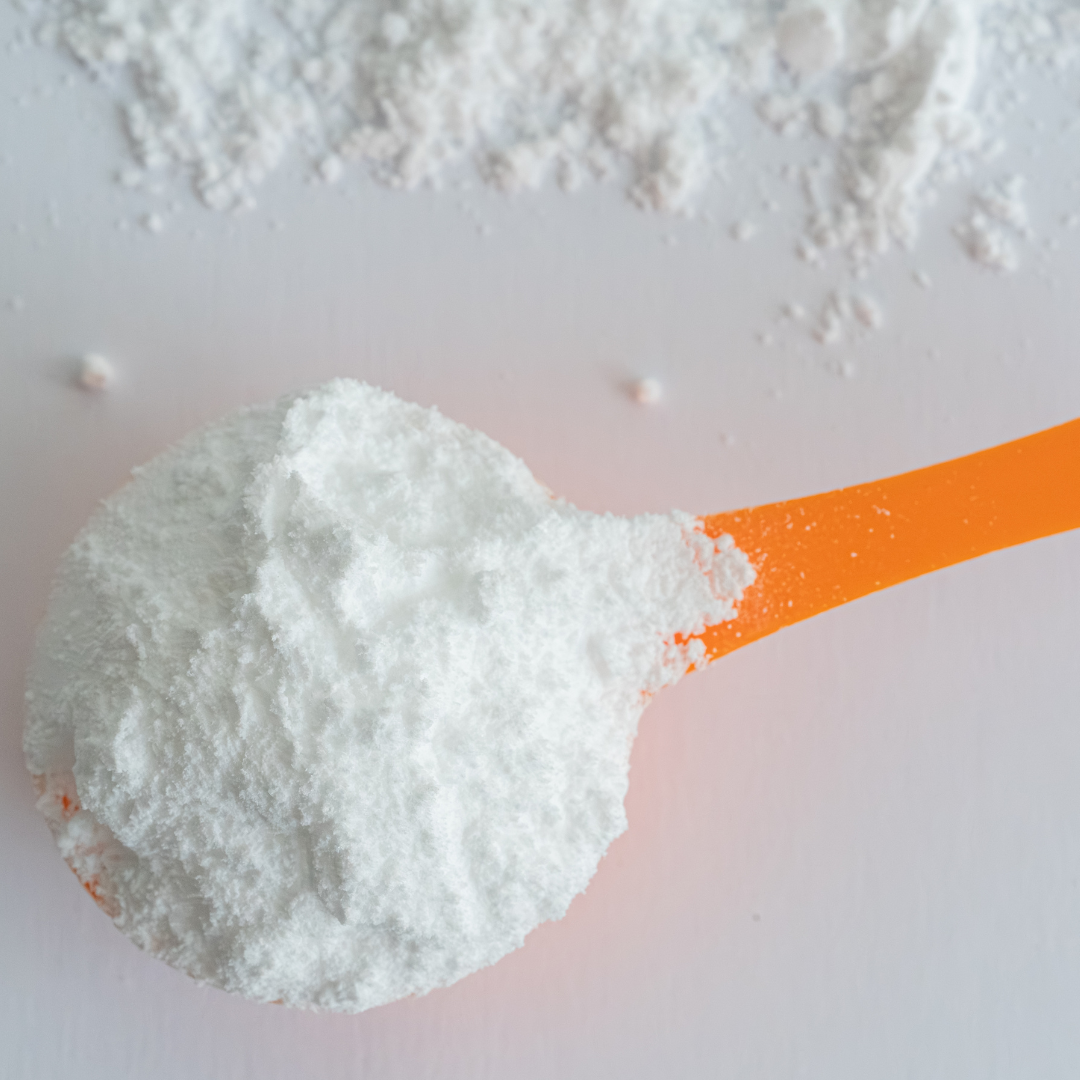 Five Potential Benefits for Athletes
1. Improved Strength
Creatine supplementation, when combined with resistance training, can help athletes increase strength and improve their training adaptations.
2. Increased Power and Explosiveness
Creatine may improve performance during short, powerful efforts such as sprinting, jumping, and explosive movements.
3. Better Repeated-Sprint Performance
Sports such as hockey, soccer, basketball, and lacrosse require repeated high-intensity efforts with relatively short recovery periods. Creatine may help athletes sustain performance across those efforts.
4. Greater Gains in Lean Muscle
Creatine can support increases in lean mass when combined with appropriate strength training and sufficient nutrition. Some initial weight gain comes from increased water stored inside muscle cells, rather than new muscle tissue.
5. Improved Training Capacity
By helping athletes perform more high-quality work during certain training sessions, creatine may contribute to better long-term training adaptations.
What about recovery and brain health? Research is even exploring creatine's potential roles in recovery, cognition, and neurological health.
Which High School Athletes Might Benefit?
Creatine's strongest performance benefits are associated with repeated, high-intensity exercise and resistance training.
Potential applications include:
-
Football: Strength, power, and repeated explosive efforts.
-
Hockey: Short, intense shifts and repeated acceleration.
-
Soccer and lacrosse: Repeated sprints, changes of direction, and strength training.
-
Basketball: Explosive movements, jumping, and repeated high-intensity efforts.
-
Swimming: Sprint events and resistance training.
-
Track and field: Sprinting, jumping, throwing, and strength development.
For endurance athletes, including distance runners, the benefits are becoming more clear. Creatine is starting to show improvement in aerobic endurance performance, and the associated increase in body mass may correlate to improved strength and endurance.
Is Creatine Safe for Teenagers?
This is where the conversation becomes especially important.
Creatine monohydrate has an excellent safety record when used appropriately.
The International Society of Sports Nutrition supports considering creatine for younger competitive athletes under appropriate supervision, with adequate nutrition and responsible dosing.
The American Academy of Pediatrics takes a more cautious position, emphasizing that young athletes should prioritize nutrition, training, and recovery rather than performance supplements.
My approach: Creatine is not something every high school athlete needs. It should be considered on a case by case basis, and most definitely as an addition to a solid nutritional foundation under the guidance of a parent, sports dietitian, and healthcare professional.
For athletes who are not consistently meeting their basic nutritional needs with real food, I would prioritize food, adequate energy intake, strength training, and sleep first...before adding creatine to the equation.
How Much Creatine Should an Athlete Take?
Currently the most commonly researched maintenance dose is:
3–5 grams of creatine monohydrate daily.
This is an adult evidence-based range, not an established universal pediatric dose.
For an older adolescent who has been individually cleared to use creatine, a qualified professional can determine whether an adult-style protocol is appropriate.
A few important considerations:
-
Creatine works through consistent use, not just taking it immediately before exercise.
-
It can be mixed into water, smoothies, or other beverages.
-
Taking it with a meal is convenient.
-
A loading phase is not necessary to gradually increase muscle creatine stores.
-
More is not necessarily better.
-
Athletes should maintain normal, appropriate and individualized hydration habits.
Does Creatine Cause Weight Gain?
Creatine may cause an initial increase in total body weight due to the fact that creatine aids in water storage inside muscle cells.
This is not the same as gaining body fat.
Over time, when paired with resistance training, creatine can also contribute to increases in lean muscle mass.
For athletes in weight-sensitive sports, or those with concerns about body image, this should be discussed (and managed) before supplementation.
Which Type of Creatine Is Best?
Creatine monohydrate. Hands down.
It's the most extensively researched form, has strong evidence supporting its effectiveness in adults, and is generally affordable.
When selecting any sports supplement, quality matters. I strongly recommend looking for NSF Certified for Sport®, which provides independent testing for ingredient accuracy and substances prohibited in sport.
Creatine Products I Trust
Two brands I frequently consider when discussing high-quality sports supplements are:
Thorne Creatine or Momentous Creatine
Both offer creatine monohydrate products with NSF Certified for Sport® certification. Always verify the specific product and certification when purchasing.
Affiliate disclosure: These links are professional practitioner and collaborative affiliate links (no additional cost to you!)
My Bottom Line for High School Athletes
Creatine is one of the most effective sports supplements studied in adults, particularly for strength, power, and repeated high-intensity performance.
But supplementation should never replace the fundamentals. Creatine is not magic. It doesn't work if the athlete doesn't put the work in - from a training perspective and from a nutritional intake perspective.
Before considering creatine, I always coach my athletes to :
-
Eat enough calories to support growth and training.
-
Consume adequate carbohydrates and protein.
-
Follow a well-designed strength and conditioning program.
-
Prioritize sleep and recovery.
-
Maintain appropriate hydration.
-
Build a healthy relationship with food and their bodies.
At the end of the day- Creatine may provide an additional benefit for certain competitive high school athletes. But it is not essential for athletic success, and it should never be the first step in a sports nutrition plan. It should only be used as an adjunct tool for an athlete who is nailing their nutrition already!
The best-performing athletes aren't necessarily the ones taking the most supplements. They're the ones who consistently fuel, train, and recover well.
Have questions about whether creatine is appropriate for your athlete? Reach out to Jenn Giles, MS, RDN, at jenngilesrd@gmail.com.
This article is for educational purposes and does not replace individualized medical or nutritional guidance.
