
🎃 Pumpkin Spice is the New Pre-Workout
Sep 27, 2026
|




What's Fueling Your Gym Bag?
Sep 09, 2026
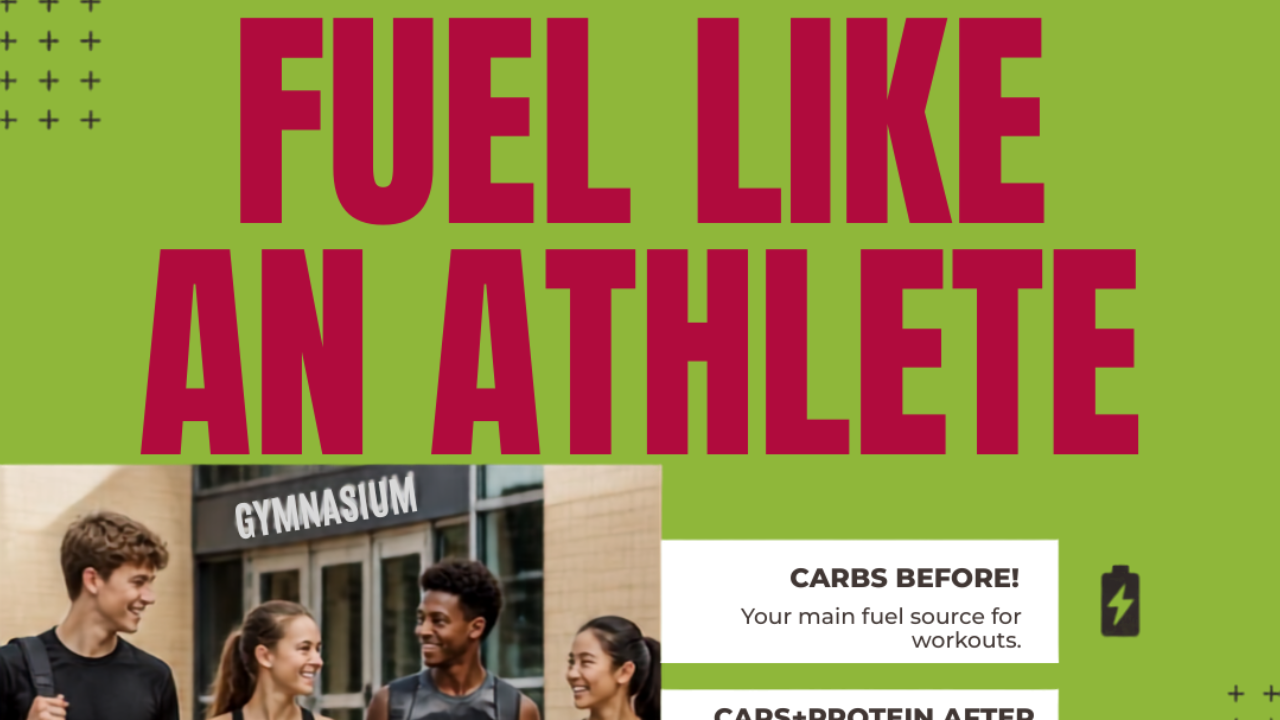
Every athlete has a gym bag. Cleats, tape, a water bottle that may or may not have been washed this month. But here's the question that actually affects your performance: what's in there to eat?
Between school dismissal and the start of practice, most athletes have ...maybe... a 30 to 60 minute window. What you eat in that window, and what you eat in the 30 to 60 minutes after practice ends, has a bigger impact on your energy, strength, and recovery than almost anything else you do with your nutrition or training. And yet most gym bags are either empty or hiding a squashed granola bar from last October.
Let's fix that. Here are the three things every athlete should be carrying, and a Sunday prep routine that takes about twenty minutes.
1. The Pre-Practice Snack: Carbs Are the Star
Your muscles run on carbohydrates. A snack eaten 30 to 60 minutes before practice tops off your fuel tank so you're not running on fumes by the second half.
What works:
- A banana or apple with a han ...
The 5 Mistakes I See People Make on GLP-1s
Sep 02, 2026

I have been working with clients on GLP-1 therapies for five years now, since before they became a headline. In that time I have watched these medications change lives, and I have watched them quietly go wrong for people who deserved better.
Here is what five years has taught me: the medication is almost never the problem. The method is.
The same drug, at the same dose, can strip one person down to a weaker, under-fueled version of themselves and rebuild another into the strongest, healthiest athlete they have been in a decade. The difference comes down to five mistakes, and I see the same ones over and over.
Here is the first one, free, because everyone needs to hear it.
Mistake #1: Letting the dose run on autopilot.
 The standard playbook is start low, then step the dose up on a fixed schedule until you hit the maximum. That escalation has quietly become the default for everyone, and too often it runs on autopilot: no follow-up, no weigh-ins, no body composition measurement...
250 Years of Independence 🇺🇸 (And the Freedom You're Actually Missing)
Jul 03, 2026

|
|
Your Heart Is Your Engine: What Every Athlete Needs to Know About Performance and Long-Term Health
Apr 25, 2026
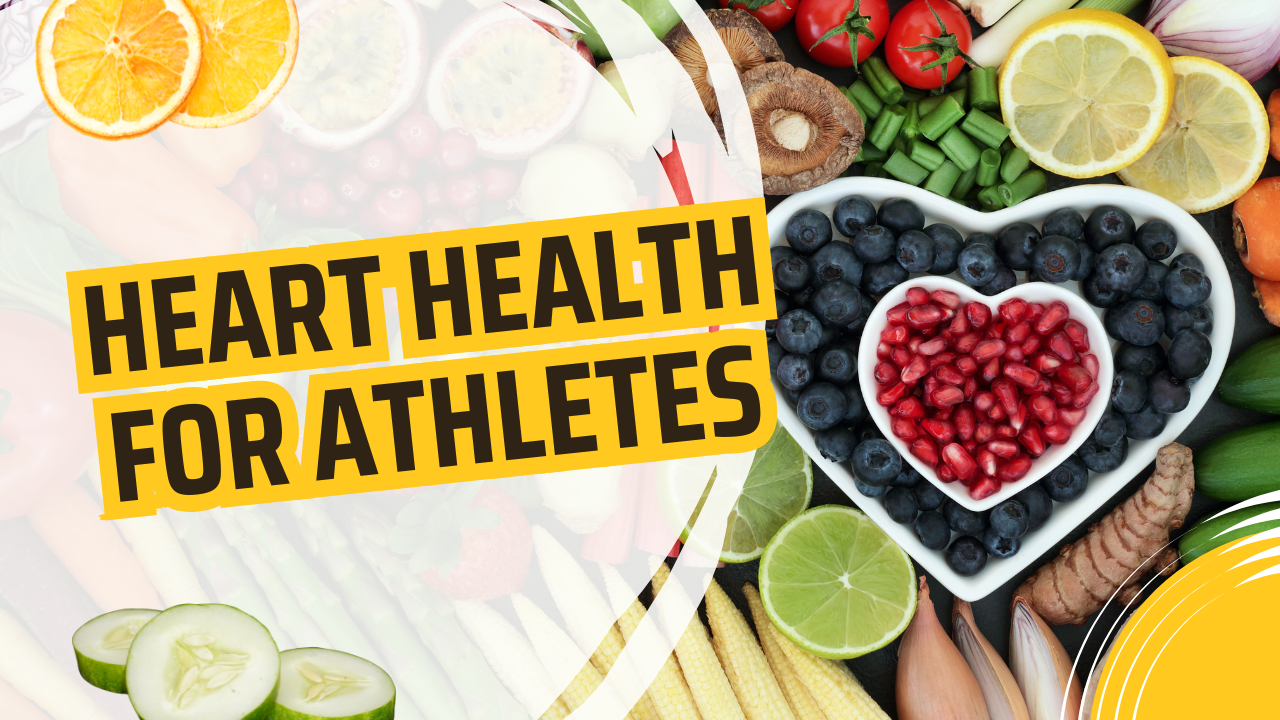
As an athlete, you spend a lot of time focused on getting better.
You train your speed.
Your strength.
Your endurance.
Your power
Your Mindset.
You push yourself to improve every day.
But there’s one thing behind all of it that most athletes don’t think about enough…
Your heart.
Why Heart Health Matters for Athletes
Your heart is your engine.
It’s what allows you to go harder, recover faster, and perform at your best when it matters most.
A strong, well-conditioned heart means:
- Better endurance
- Faster recovery between efforts
- More consistent performance
But here’s the part most athletes overlook…
Your heart health is being built right now.
Not later. Not after your career.
Right now, with the choices you make every single day.
The Habits That Can Hurt Performance (and Your Heart)
A lot of athletes are doing things that feel like they help… but actually work against them over time.
Things like:
- Relying on energy drinks for focus and energy
- Grabbing h ...
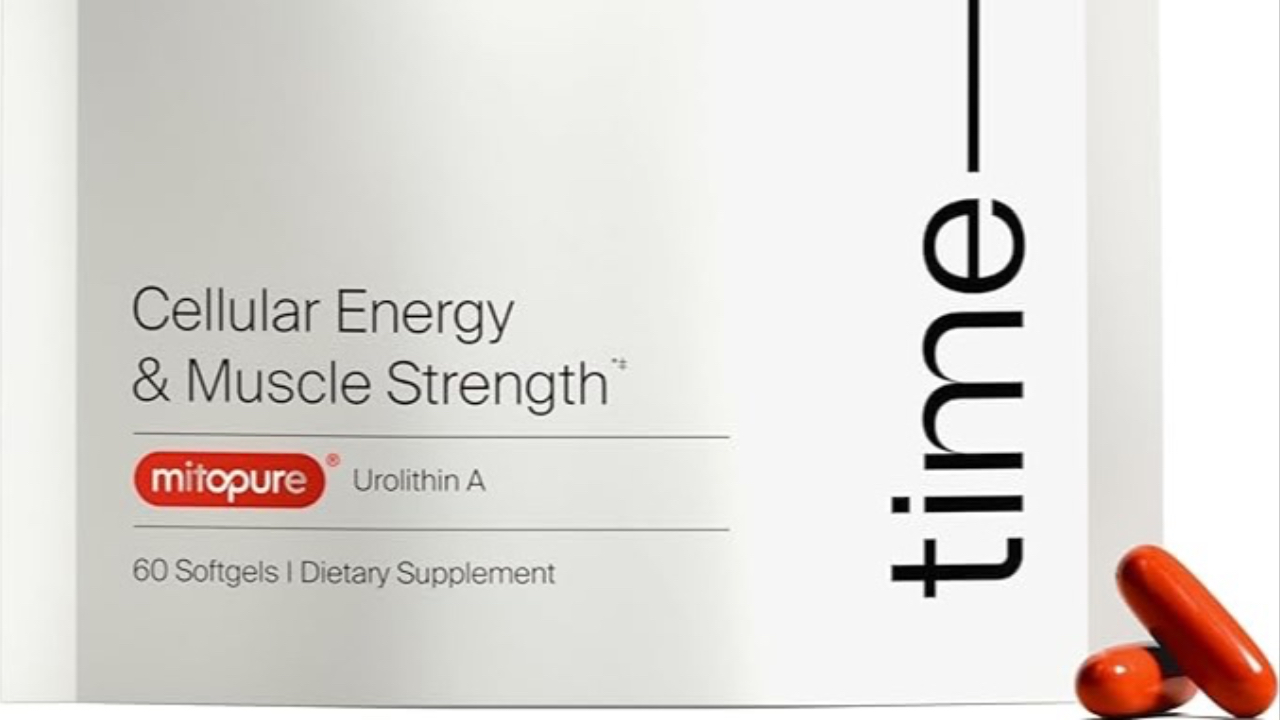
The Missing Link to Energy, Recovery and Longevity (Hint: It's Your Mitochondria)
Mar 19, 2026
|
|
You Don't Need Another Energy Drink... You Need Real Fuel
Mar 02, 2026

|
|
|

After all The Greens Drama...Here's The One I Actually Trust
Feb 12, 2026
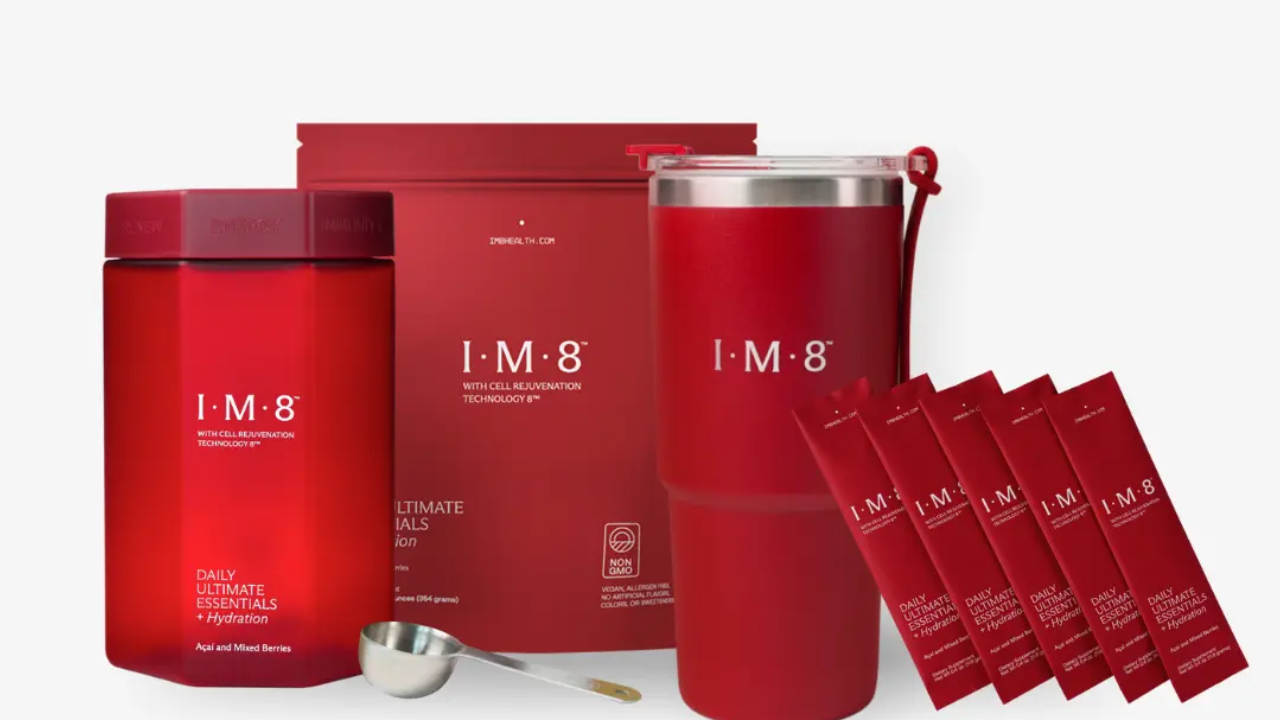
This week, I’m highlighting IM8 Daily Ultimate Essentials because it checks the boxes that actually matter.
Why IM8 Stands Out
1. NSF Certified for Sport
This is huge. NSF certification means the product is tested for banned substances and what’s on the label is what’s in the tub. For high school, college, and professional athletes, that matters. For parents? It should matter even more.
2. Third-Party Tested and Transparent
After recent controversy surrounding Athletic Greens (and other greens products), transparency is everything. IM8 prioritizes clean sourcing, accurate dosing, and independent verification.
3. Comprehensive Formula
This is not just a “greens powder.” IM8 combines:
-
Vitamins and minerals
-
Adaptogens
-
Digestive enzymes
-
Prebiotics and probiotics
-
Antioxidants
It supports gut health, immune resilience, energy metabolism, and recovery. For athletes training hard, traveling, and sometimes underfueling, that foundational support is critical.
4....
Weight Gain in Athletes: How to Do It the Right Way
Feb 03, 2026

For many athletes, weight gain is just as challenging as weight loss and often more misunderstood.
Athletes may be told they need to “get bigger,” “put on mass,” or “add strength,” yet very few are given clear guidance on how to do this in a healthy, effective way. The result is frustration, unnecessary fat gain, digestive issues, poor performance, or worse, a strained relationship with food.
The truth is this: healthy weight gain for athletes is not about eating everything in sight. It’s about fueling with intention.
Muscle Gain vs Fat Gain: Why the Difference Matters
Not all weight gain is created equal.
-
Muscle gain supports strength, power, speed, injury prevention, and long-term metabolic health.
-
Excess fat gain can impair performance, slow recovery, affect body composition confidence, and place additional stress on joints and hormones.
The goal for most athletes is lean mass gain, not simply seeing the number on the scale go up.
This requires:
-
Adequat
...
