|
6 fall foods that fuel you better than your latte
(plus a recipe)
|
|
|
|
Here's the thing about fall produce: it isn't just cozy. The foods showing up at farm stands right now are loaded with the carbs and nutrients that fuel your training, the potassium that keeps your muscles hydrated and firing, and the vitamins and antioxidants that help your body bounce back when training gets harder and the daylight hours get shorter. Let's give pumpkin spice some real credit. These are six fall foods I love for athletes, what each one does for you, and easy ways to use them.
|
|
|
|
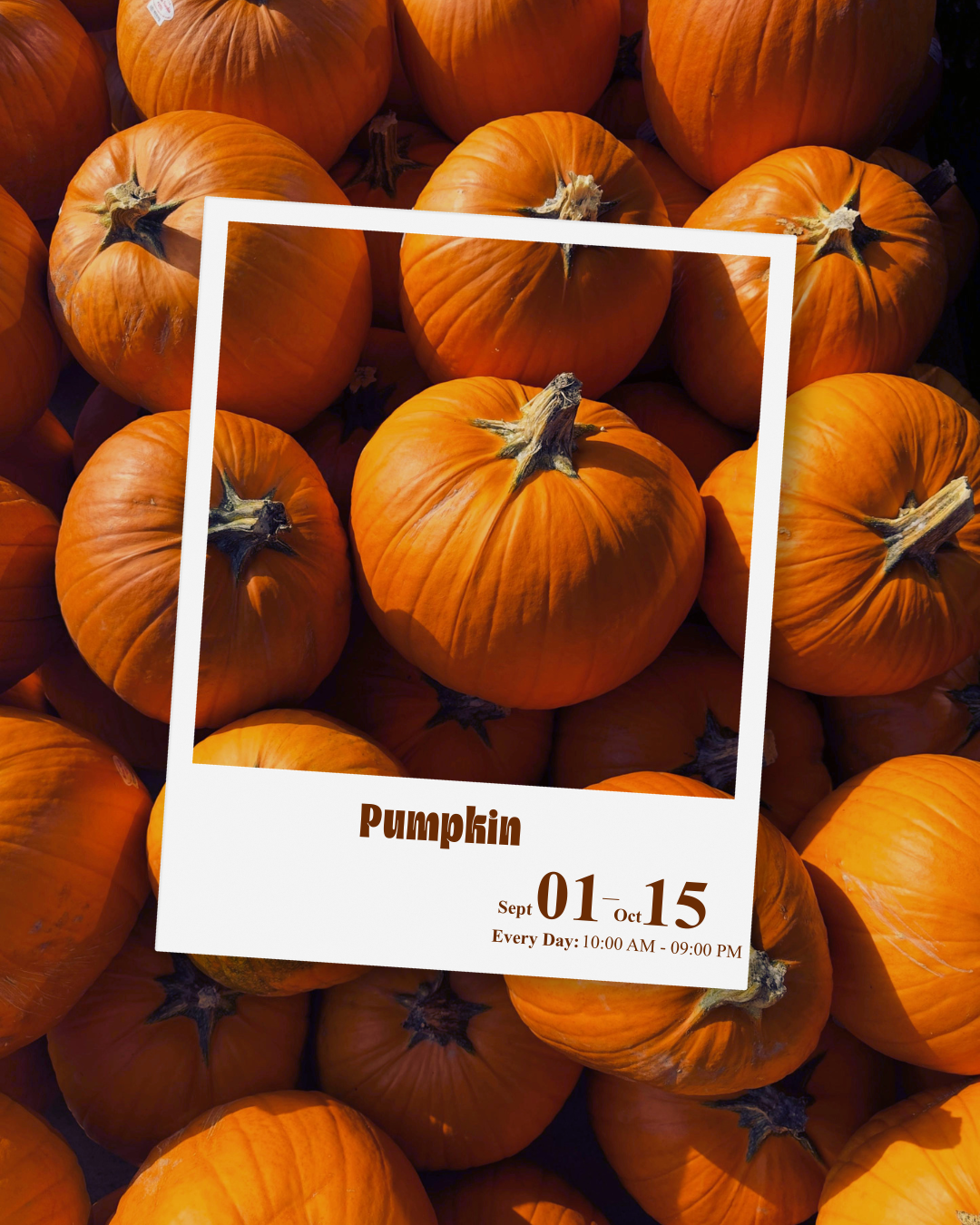
1. Pumpkin: The Overachiever
Pumpkin brings a lot for very few calories. One cup of canned pure pumpkin has about 7 grams of fiber, more than 500 mg of potassium, and more than a full day's worth of vitamin A from beta-carotene. Potassium helps regulate fluid balance and muscle contraction, which matters a lot when you're sweating through long sessions. Vitamin A supports immune function, and that's handy as fall training blocks and cold season overlap.
How to use it: Stir a few spoonfuls into oatmeal, smoothies, or Greek yogurt with cinnamon. Buy pure pumpkin, not pumpkin pie filling, which has added sugar. And don't toss the seeds! Roasted pumpkin seeds (pepitas) are a great source of magnesium and zinc, two minerals athletes often run low on.
|
|
|
|
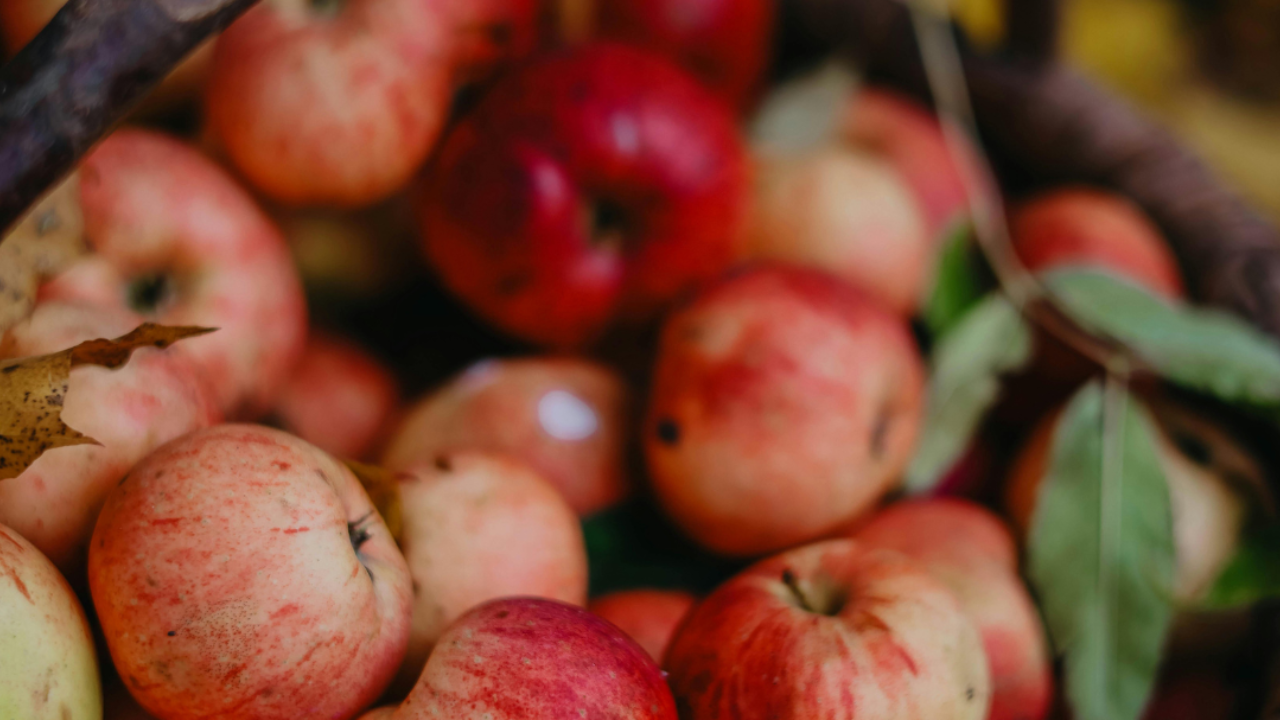
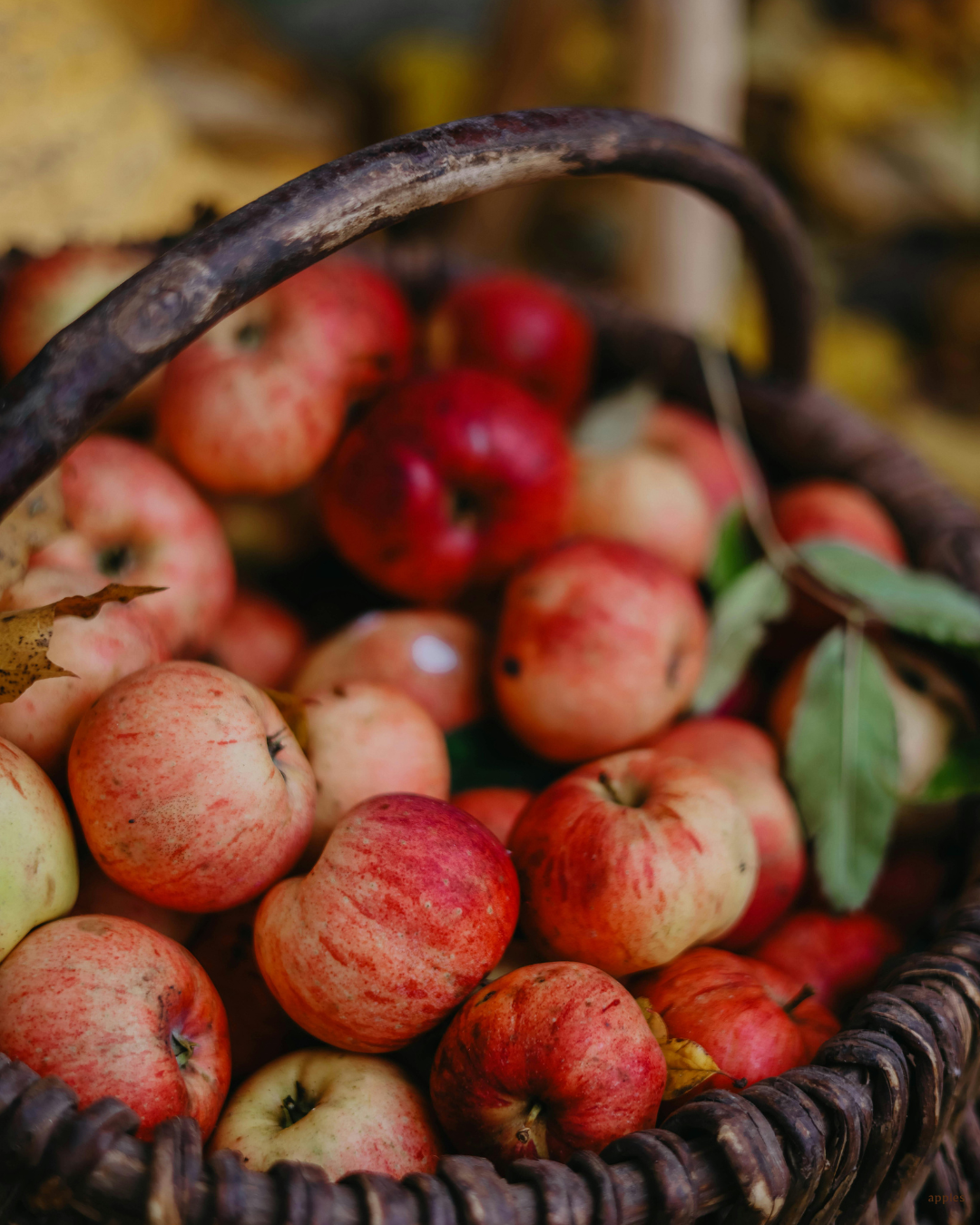
2. Apples: The Grab-and-Go Fuel
A medium apple has about 25 grams of carbohydrate, so it's an easy snack before training that needs no prep and no wrapper. Apples also contain polyphenols like quercetin, plant compounds that support overall health, and most of them are in the skin, so leave it on.
How to use it: For a snack 60 to 90 minutes before a workout, pair an apple with a little nut butter or cheese so it holds you over. If you have a sensitive stomach, applesauce is lower in fiber and easier to digest closer to exercise. Unsweetened applesauce pouches even work as fuel on long rides and runs.
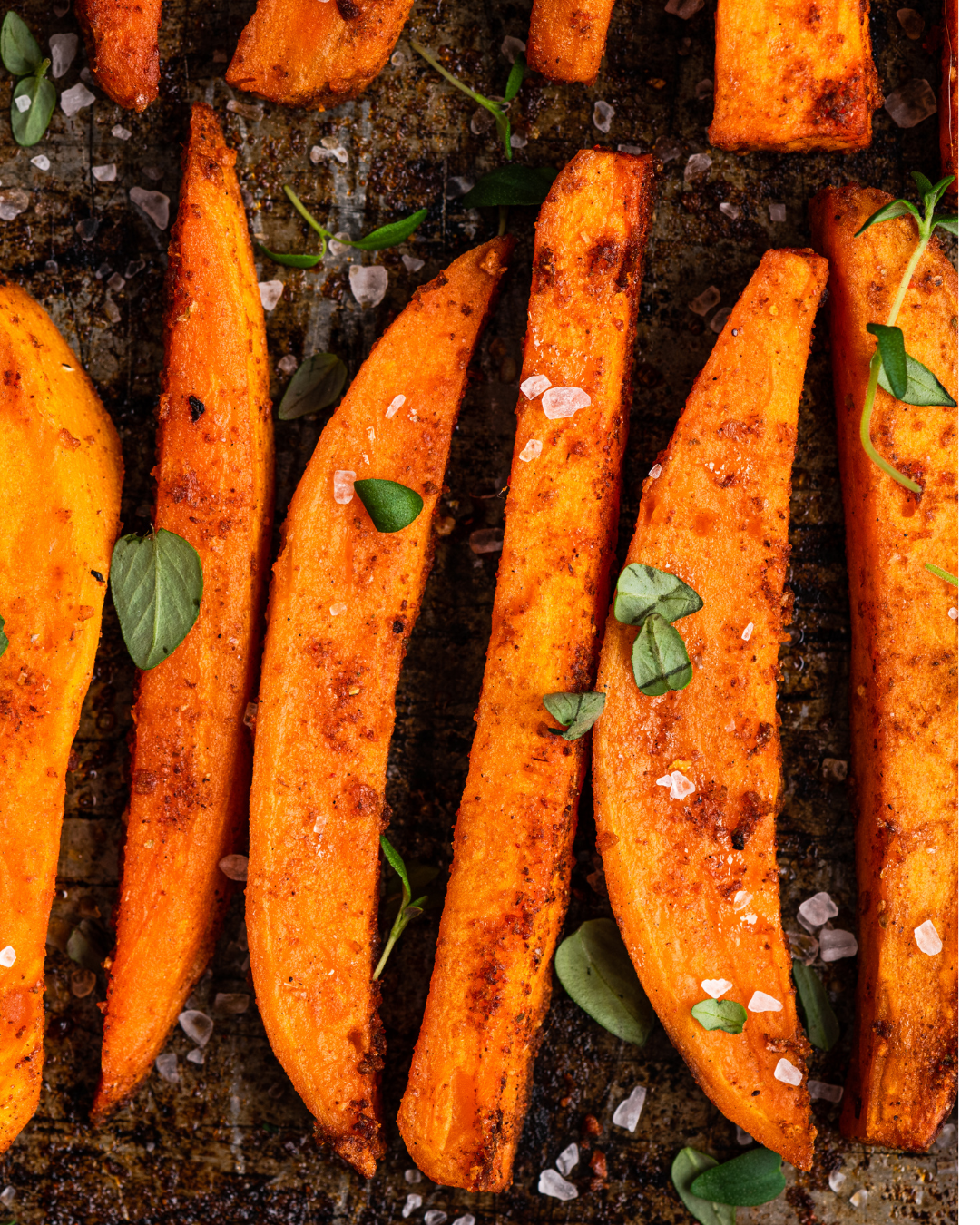
3. Sweet Potatoes: The Glycogen Builder
Glycogen is the carbohydrate your muscles store and burn during hard and long efforts. Sweet potatoes are one of my favorite whole-food ways to refill it. A medium sweet potato has about 25 grams of carbs, plus vitamin A, vitamin C, and potassium.
How to use it: After a long run or tough practice, pair a sweet potato with a protein like chicken, eggs, or black beans to kick-start recovery. They also make a great part of the dinner before a race or big game. If your stomach is sensitive before competition, peel them. Most of the fiber is in the skin.
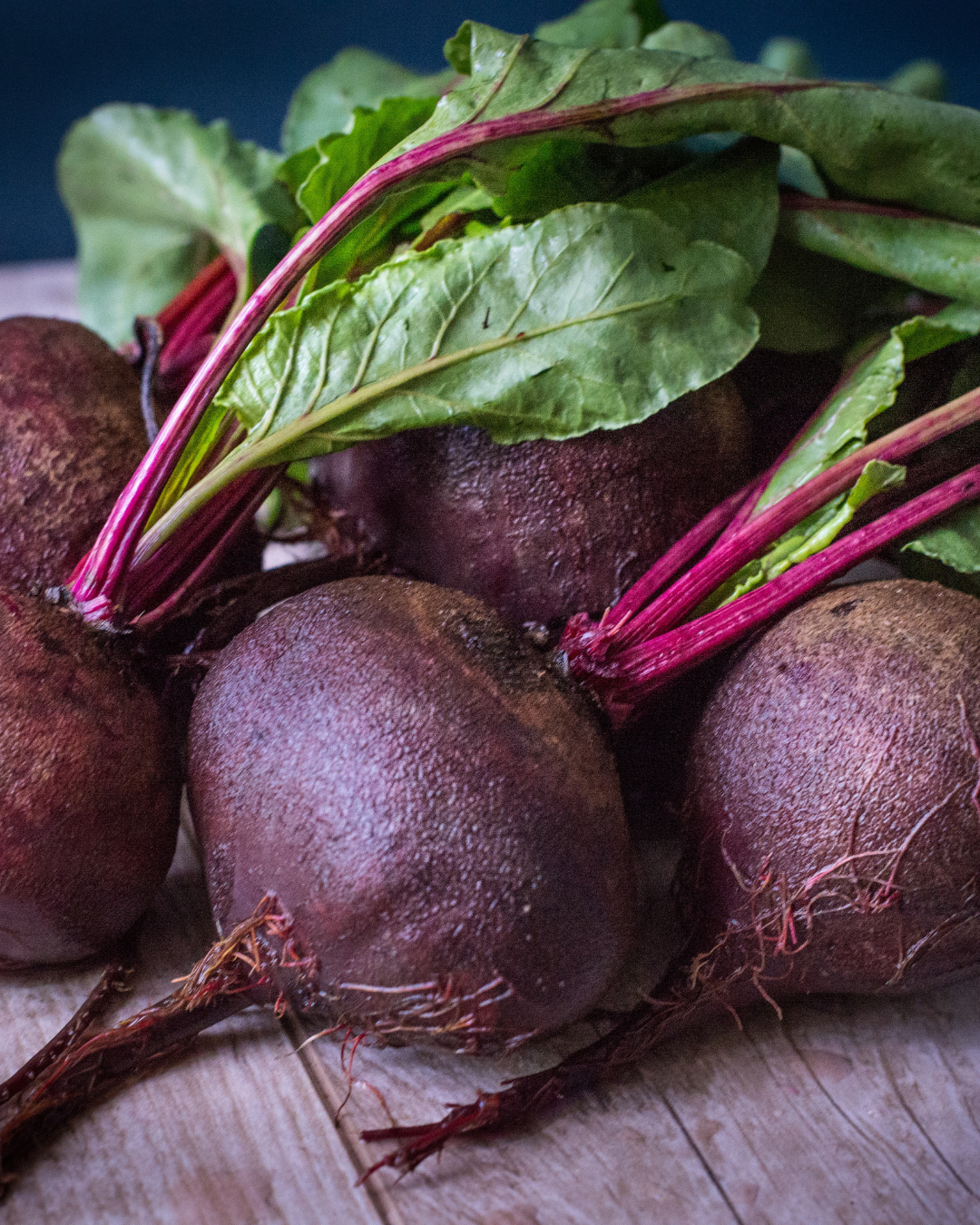
4. Beets: The Performance Booster
Beets are naturally high in dietary nitrates. Your body converts nitrates into nitric oxide, which helps widen blood vessels and may help your muscles use oxygen more efficiently. Research suggests this can improve endurance and time-trial performance, with the biggest benefits often seen in recreational athletes rather than elites.
How to use it: Studies typically use beet juice or a concentrated beet shot taken about 2 to 3 hours before exercise, sometimes for several days leading into a key event. Roasted beets and beet smoothies count too; you just get a smaller dose. A few things to know: always test it in training first, not on race day. Skip antibacterial mouthwash on beet days, because the bacteria in your mouth help convert nitrates. Pink urine afterward is harmless. Beets are also high in oxalate, so if you're prone to kidney stones, check with your dietitian first.
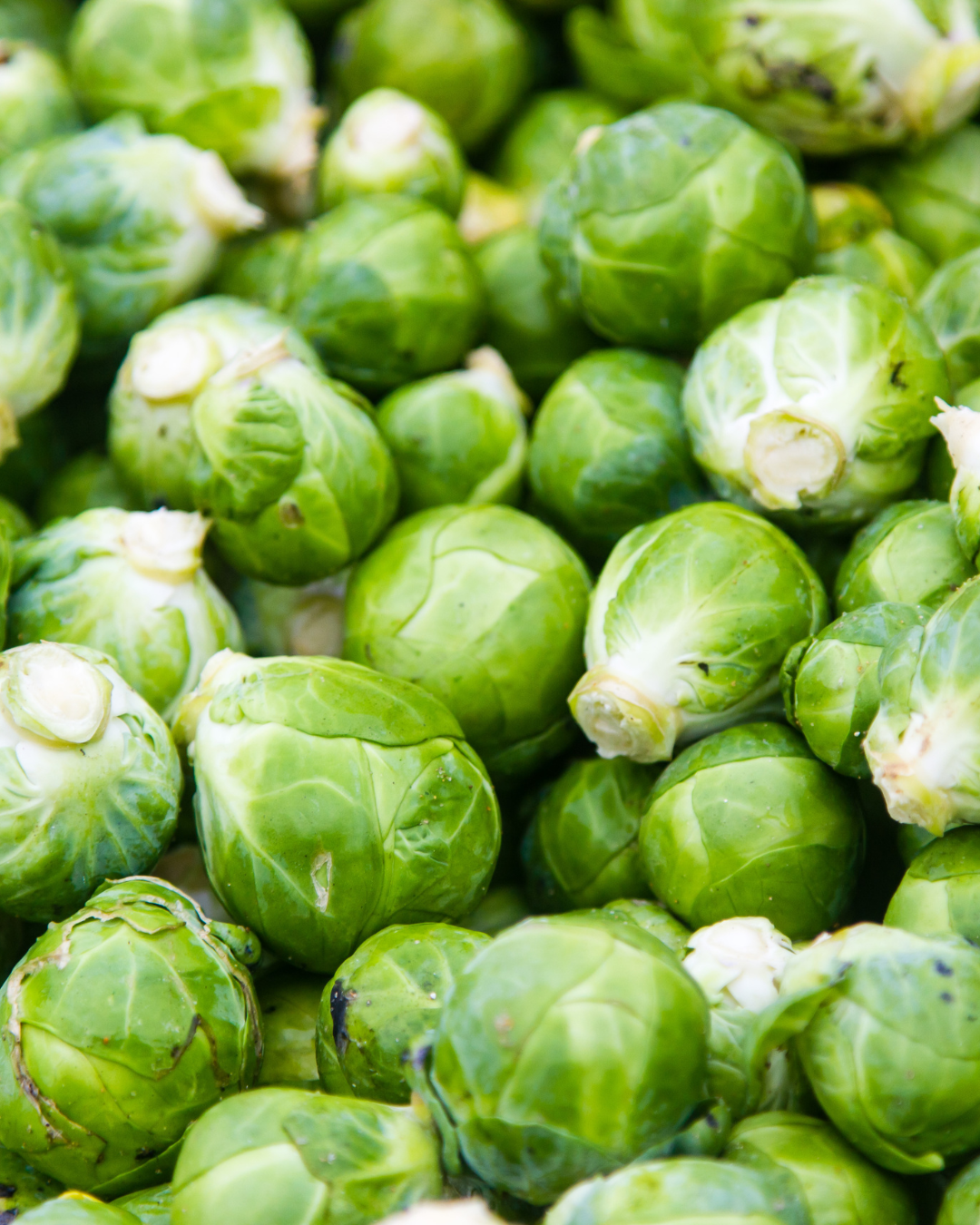
5. Brussels Sprouts: The Recovery Sidekick
One cup of Brussels sprouts gives you roughly a full day's worth of vitamin C, plus vitamin K, folate, and fiber. Hard training puts real stress on your body, and vitamin C plays a role in immune health and collagen formation, which supports tendons and connective tissue. Cruciferous veggies like these also contain compounds called glucosinolates that support your body's natural antioxidant defenses.
How to use it: Toss halved sprouts with olive oil and salt and roast at 425°F until crispy. That one step converts even the biggest skeptics! Because they're so high in fiber, keep them to meals well before training and on the plate at dinner rather than right before a race.
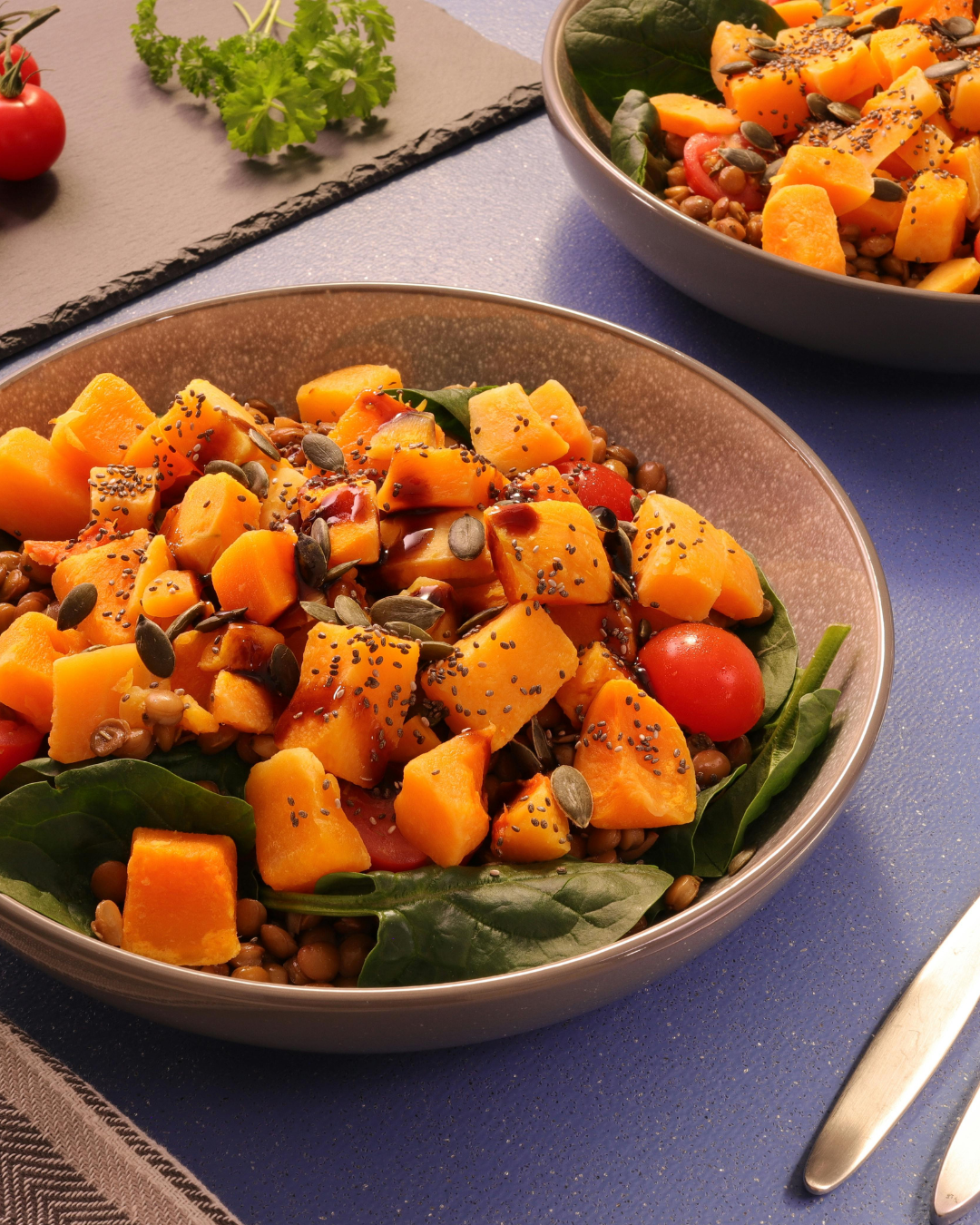
6. Butternut Squash: The Comfort Carb
Butternut squash is naturally sweet and carb-rich, with about 20 grams of carbs per cooked cup, plus vitamin A, vitamin C, potassium, and magnesium. It's lighter than potatoes, so it's a great base for easier training days. On big training days, pair it with rice, pasta, or bread so you get enough carbohydrate.
How to use it: Roast cubes for a sheet-pan dinner, blend it into soup with white beans or lentils for a warm post-workout meal with built-in protein, or mash it as a swap for regular potatoes.
|
|
|
|
3. Sweet Potatoes: The Glycogen Builder
Glycogen is the carbohydrate your muscles store and burn during hard and long efforts. Sweet potatoes are one of my favorite whole-food ways to refill it. A medium sweet potato has about 25 grams of carbs, plus vitamin A, vitamin C, and potassium.
How to use it: After a long run or tough practice, pair a sweet potato with a protein like chicken, eggs, or black beans to kick-start recovery. They also make a great part of the dinner before a race or big game. If your stomach is sensitive before competition, peel them. Most of the fiber is in the skin.
4. Beets: The Performance Booster
Beets are naturally high in dietary nitrates. Your body converts nitrates into nitric oxide, which helps widen blood vessels and may help your muscles use oxygen more efficiently. Research suggests this can improve endurance and time-trial performance, with the biggest benefits often seen in recreational athletes rather than elites.
How to use it: Studies typically use beet juice or a concentrated beet shot taken about 2 to 3 hours before exercise, sometimes for several days leading into a key event. Roasted beets and beet smoothies count too; you just get a smaller dose. A few things to know: always test it in training first, not on race day. Skip antibacterial mouthwash on beet days, because the bacteria in your mouth help convert nitrates. Pink urine afterward is harmless. Beets are also high in oxalate, so if you're prone to kidney stones, check with your dietitian first.
|
|
|
|
5. Brussels Sprouts: The Recovery Sidekick
One cup of Brussels sprouts gives you roughly a full day's worth of vitamin C, plus vitamin K, folate, and fiber. Hard training puts real stress on your body, and vitamin C plays a role in immune health and collagen formation, which supports tendons and connective tissue. Cruciferous veggies like these also contain compounds called glucosinolates that support your body's natural antioxidant defenses.
How to use it: Toss halved sprouts with olive oil and salt and roast at 425°F until crispy. That one step converts even the biggest skeptics! Because they're so high in fiber, keep them to meals well before training and on the plate at dinner rather than right before a race.
6. Butternut Squash: The Comfort Carb
Butternut squash is naturally sweet and carb-rich, with about 20 grams of carbs per cooked cup, plus vitamin A, vitamin C, potassium, and magnesium. It's lighter than potatoes, so it's a great base for easier training days. On big training days, pair it with rice, pasta, or bread so you get enough carbohydrate.
How to use it: Roast cubes for a sheet-pan dinner, blend it into soup with white beans or lentils for a warm post-workout meal with built-in protein, or mash it as a swap for regular potatoes.
|
|
|
|
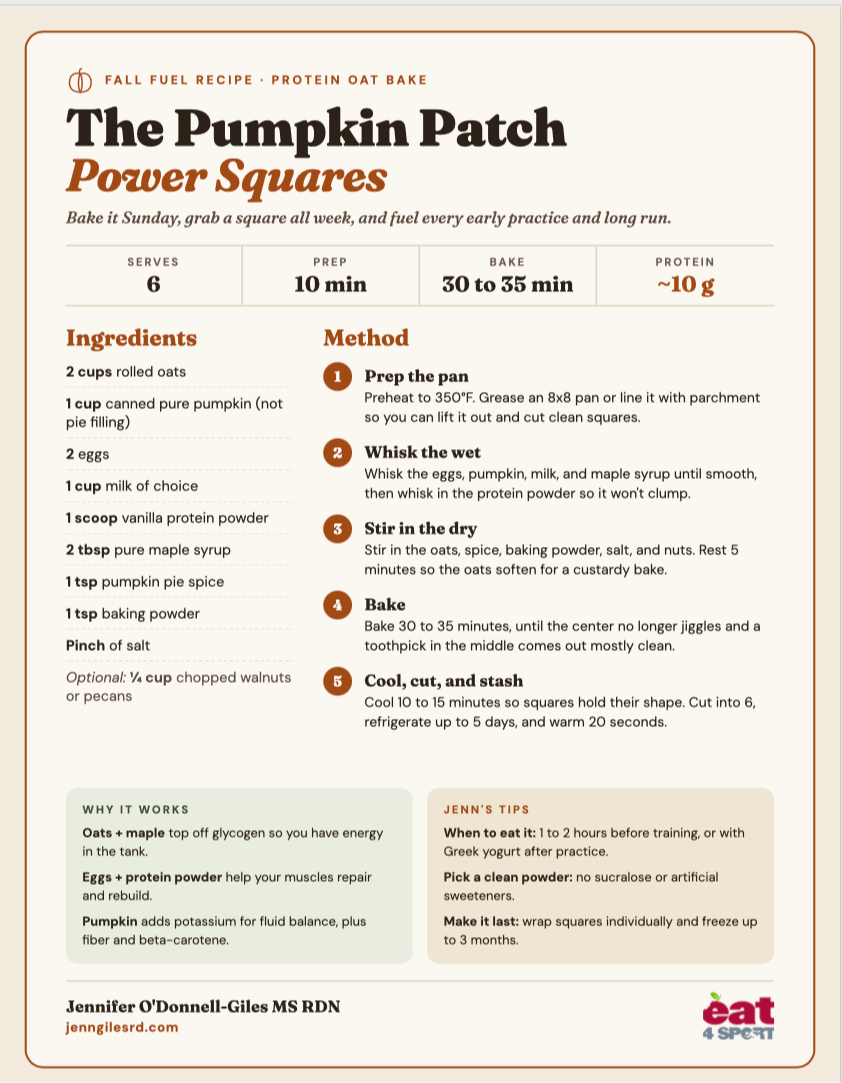
Let's Put Pumpkin to Work
Knowing what's in these foods is one thing. Actually getting them on your plate during a busy training week is another. So I want to leave you with one of my go-to fall recipes. It takes the star of this list, pumpkin, and turns it into a grab-and-go breakfast or snack with carbs to fuel you and protein to help you recover. Make one batch and you're set for the week.
|
|
|
|
Ready to Take Your Fueling to the Next Level?
A great recipe is a start, but real results come from a plan built around you: your sport, your training schedule, your body, and your goals.
That's exactly why I created Your Ultimate Sports Nutrition Game Plan, a digital course you can take at your own pace. Step by step, it walks you through building a nutrition plan that fuels your training, speeds your recovery, and helps you show up strong on game day.
And you won't be doing it alone. Along the way, you'll get support and individualized guidance from the dietitians at Eat4Sport, so your plan fits your life instead of a one-size-fits-all template.
Inside, you'll learn how to:
- Fuel before, during, and after training so you have energy when it counts
- Build a recovery routine that helps you bounce back faster
- Learn how to hydrate based on your body's needs
- Figure out a supplement protocol thats safe and efficient
- Create a plan that fits your sport, schedule, and goals
Reply to this email for details!
Your best season starts with what's on your plate. Let's build your game plan together.
Here's to a strong, well-fueled fall,
Jenn
Jennifer O'Donnell-Giles MS RDN
Eat4Sport
P.S. And if you're not following along on Substack yet, come join me at [https://substack.com/@jenngileseat4sport] for MANY more fueling tips!
|
|
|
|