
The 5 Mistakes I See People Make on GLP-1s

I have been working with clients on GLP-1 therapies for five years now, since before they became a headline. In that time I have watched these medications change lives, and I have watched them quietly go wrong for people who deserved better.
Here is what five years has taught me: the medication is almost never the problem. The method is.
The same drug, at the same dose, can strip one person down to a weaker, under-fueled version of themselves and rebuild another into the strongest, healthiest athlete they have been in a decade. The difference comes down to five mistakes, and I see the same ones over and over.
Here is the first one, free, because everyone needs to hear it.
Mistake #1: Letting the dose run on autopilot.
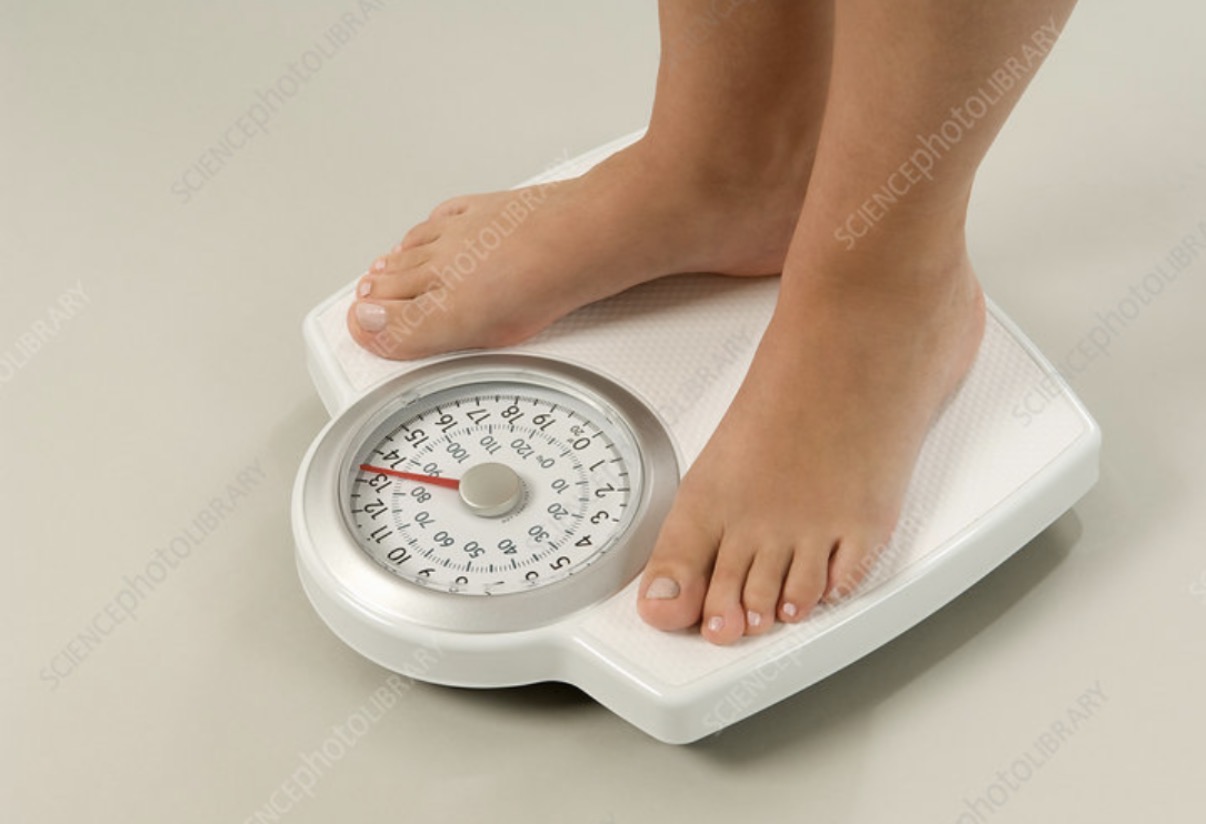 The standard playbook is start low, then step the dose up on a fixed schedule until you hit the maximum. That escalation has quietly become the default for everyone, and too often it runs on autopilot: no follow-up, no weigh-ins, no body composition measurement...
250 Years of Independence 🇺🇸 (And the Freedom You're Actually Missing)

|
|
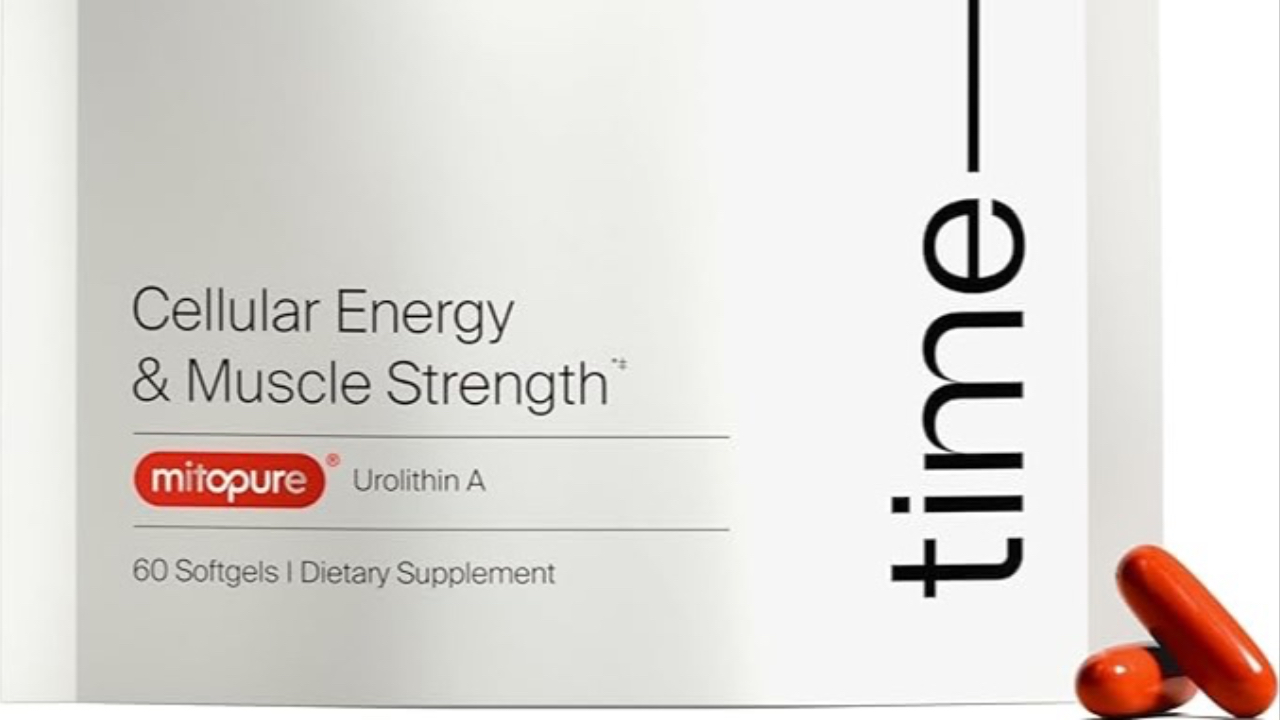
The Missing Link to Energy, Recovery and Longevity (Hint: It's Your Mitochondria)
|
|
After all The Greens Drama...Here's The One I Actually Trust
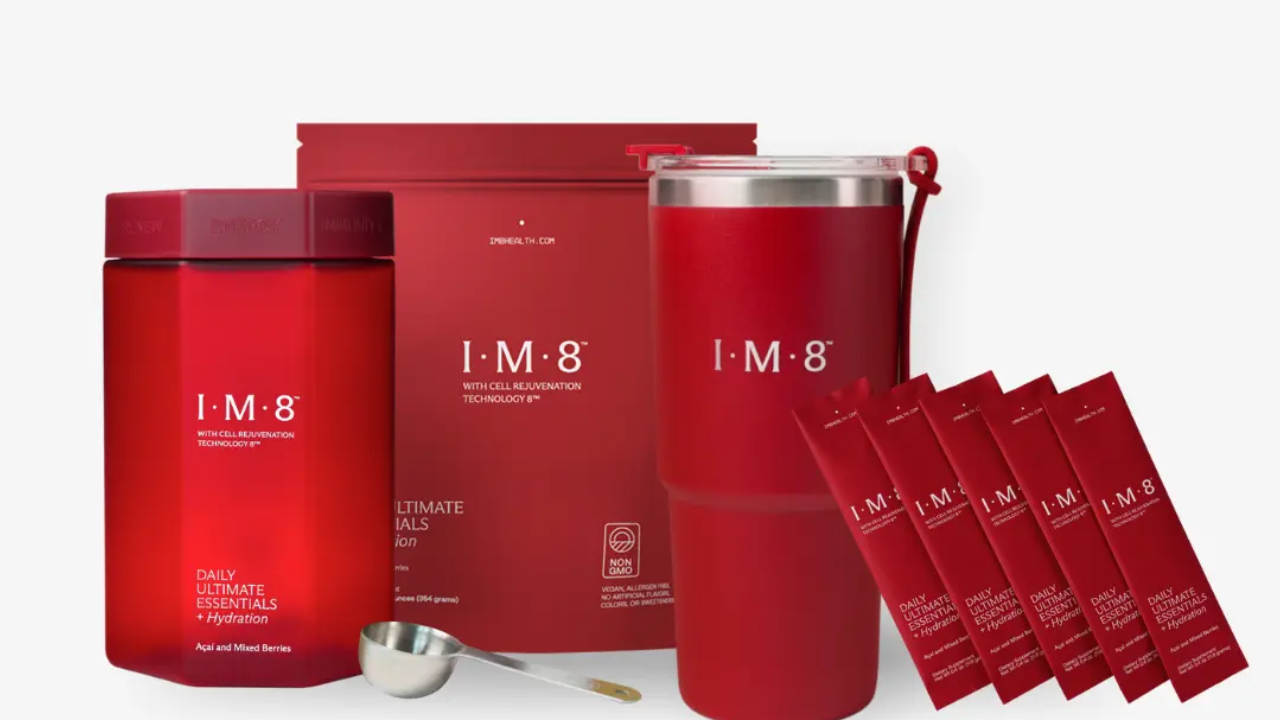
This week, I’m highlighting IM8 Daily Ultimate Essentials because it checks the boxes that actually matter.
Why IM8 Stands Out
1. NSF Certified for Sport
This is huge. NSF certification means the product is tested for banned substances and what’s on the label is what’s in the tub. For high school, college, and professional athletes, that matters. For parents? It should matter even more.
2. Third-Party Tested and Transparent
After recent controversy surrounding Athletic Greens (and other greens products), transparency is everything. IM8 prioritizes clean sourcing, accurate dosing, and independent verification.
3. Comprehensive Formula
This is not just a “greens powder.” IM8 combines:
-
Vitamins and minerals
-
Adaptogens
-
Digestive enzymes
-
Prebiotics and probiotics
-
Antioxidants
It supports gut health, immune resilience, energy metabolism, and recovery. For athletes training hard, traveling, and sometimes underfueling, that foundational support is critical.
4....
Weight Gain in Athletes: How to Do It the Right Way

For many athletes, weight gain is just as challenging as weight loss and often more misunderstood.
Athletes may be told they need to “get bigger,” “put on mass,” or “add strength,” yet very few are given clear guidance on how to do this in a healthy, effective way. The result is frustration, unnecessary fat gain, digestive issues, poor performance, or worse, a strained relationship with food.
The truth is this: healthy weight gain for athletes is not about eating everything in sight. It’s about fueling with intention.
Muscle Gain vs Fat Gain: Why the Difference Matters
Not all weight gain is created equal.
-
Muscle gain supports strength, power, speed, injury prevention, and long-term metabolic health.
-
Excess fat gain can impair performance, slow recovery, affect body composition confidence, and place additional stress on joints and hormones.
The goal for most athletes is lean mass gain, not simply seeing the number on the scale go up.
This requires:
-
Adequat
...
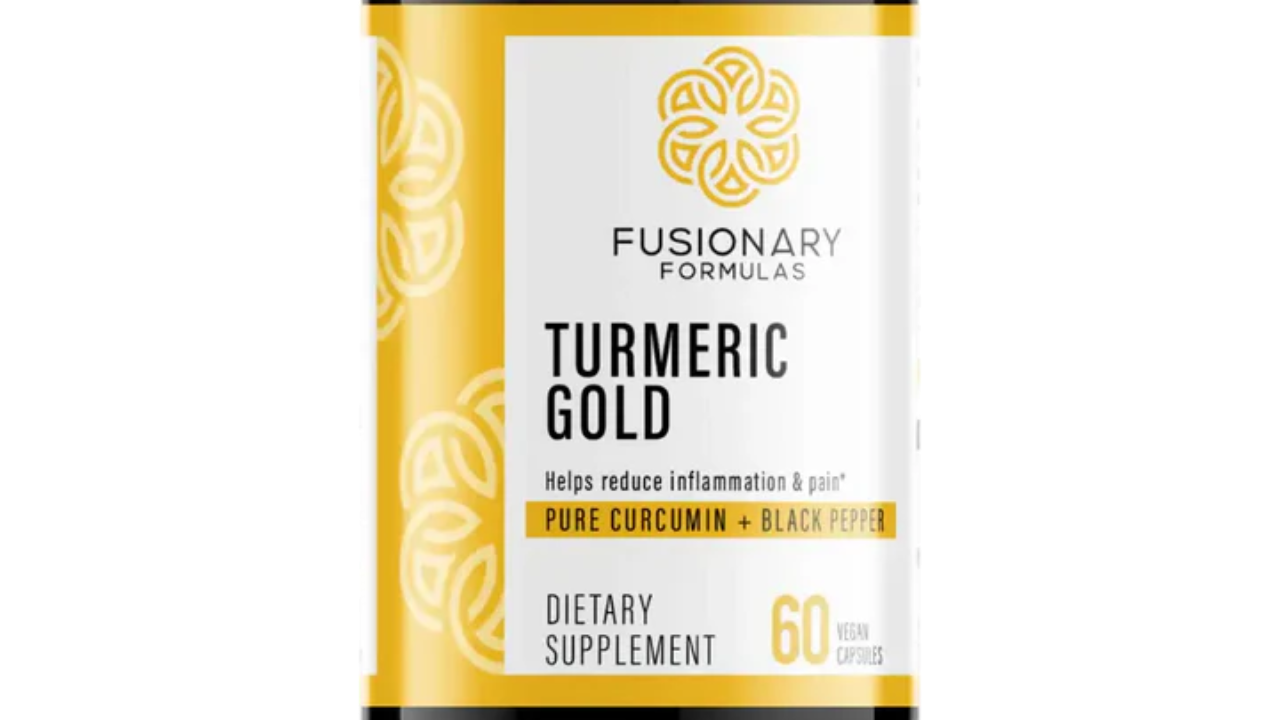
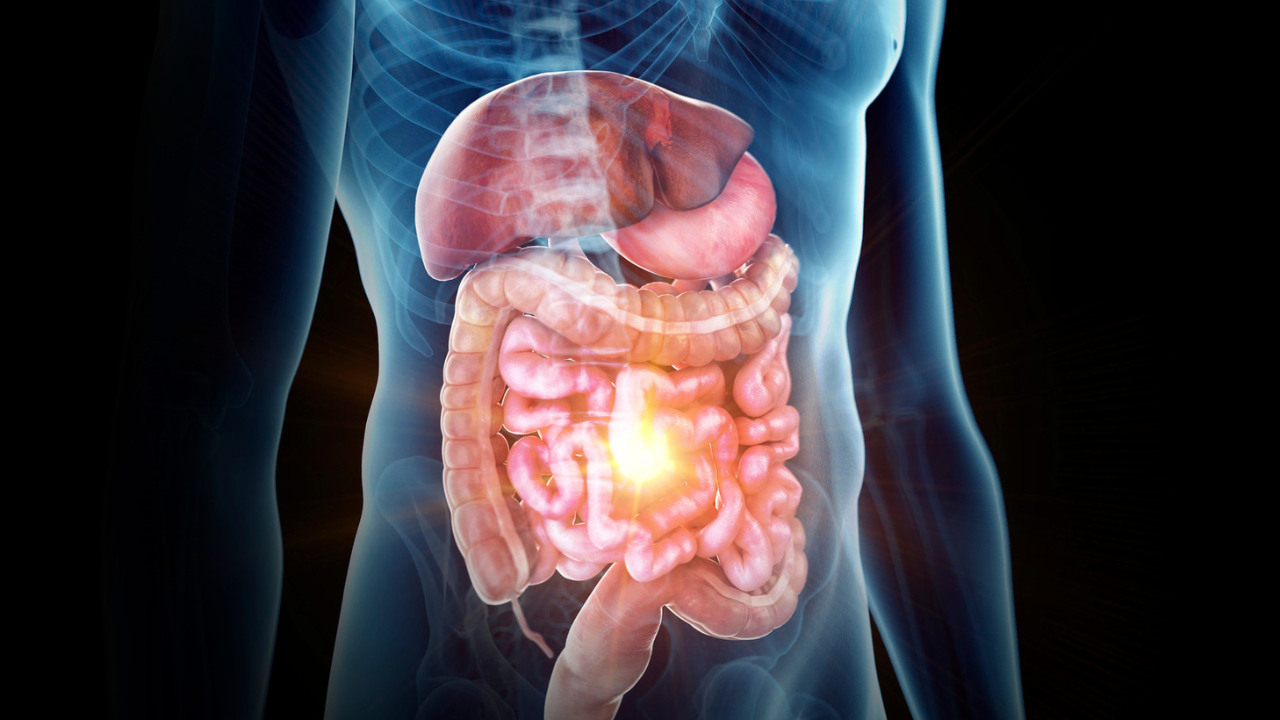
The Gift of Gut Health
|
|||

|
|
 |
||||
|
||||
|
||||
|
What the New Nutrition Recommendations Really Mean for Athletes
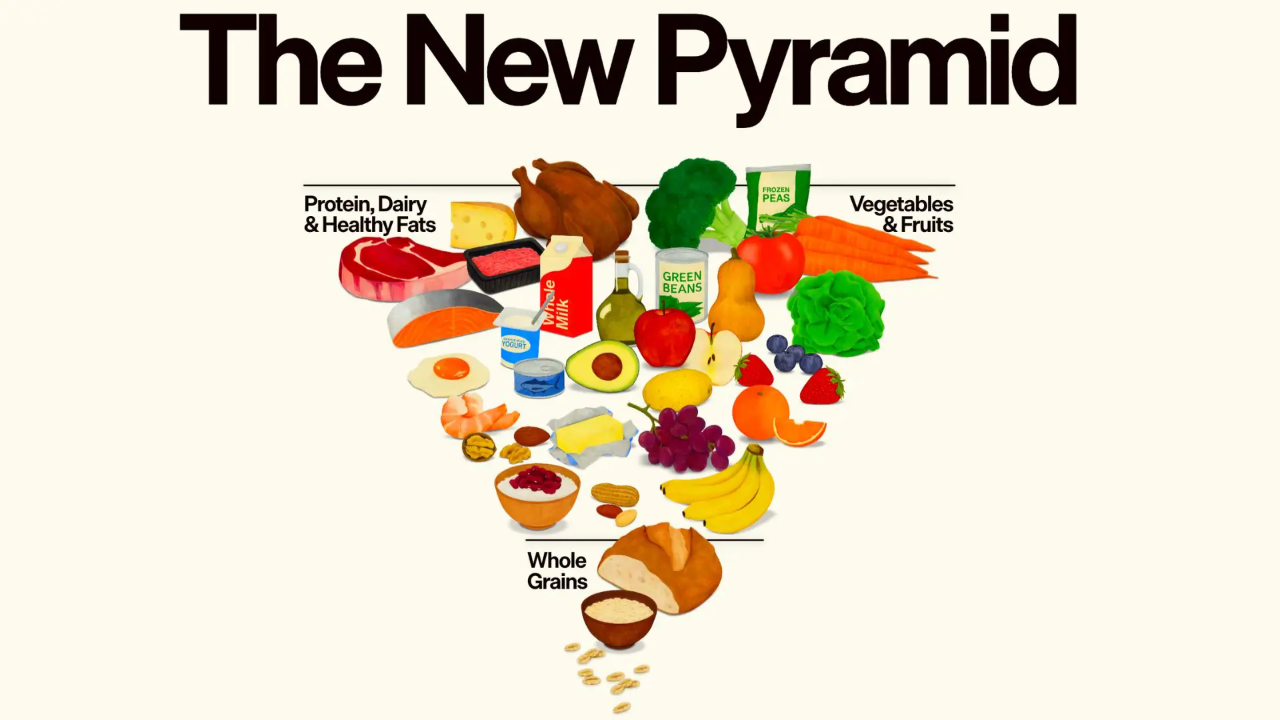
The newest nutrition recommendations have recently been launched. In my opinion is not too different than "MyPlate" (which was released in 2011). But there are some shifts that are worth mentioning. And there are some nuances that athletes should be mindful of.
The biggest shift is how we think about health (and in our case, performance). Rather than focusing narrowly on calories or single macronutrients, the guidelines now emphasize diet quality, food patterns, and lifestyle behaviors that support long-term health.
At their core, the new recommendations encourage:
-
Eating more whole, minimally processed foods
-
Reducing ultra-processed foods
-
Prioritizing plant diversity
-
Paying closer attention to hydration, sleep, and overall lifestyle factors
I will add that sports dietitians have been preaching these important pillars of health for years. But I guess it's nice to have it illustrated in an upside down pyramid?? The shift also acknowledges what research has ...
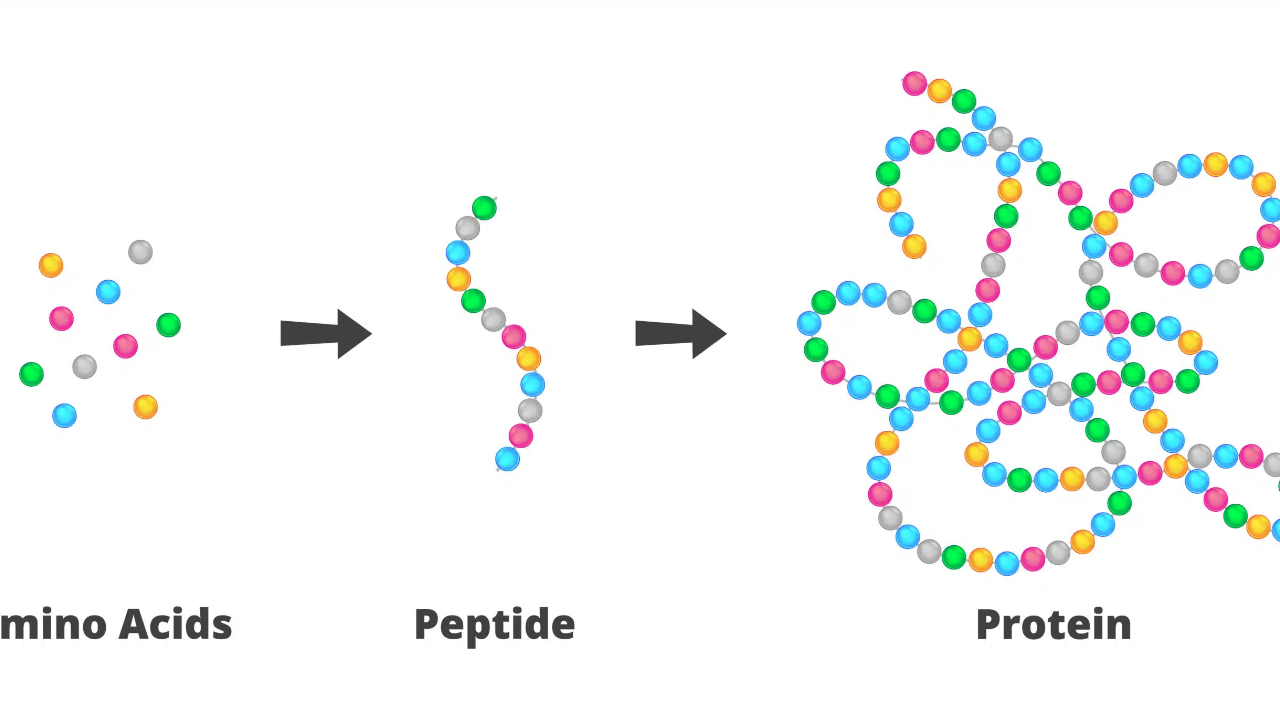
There's a Peptide for That
|
|
Eat4Sport Gift Guide Day 2! Performance Gifts for the Athlete Who Wants More

|
|
|
||||
|
||||
|
||||

|
||||||
|
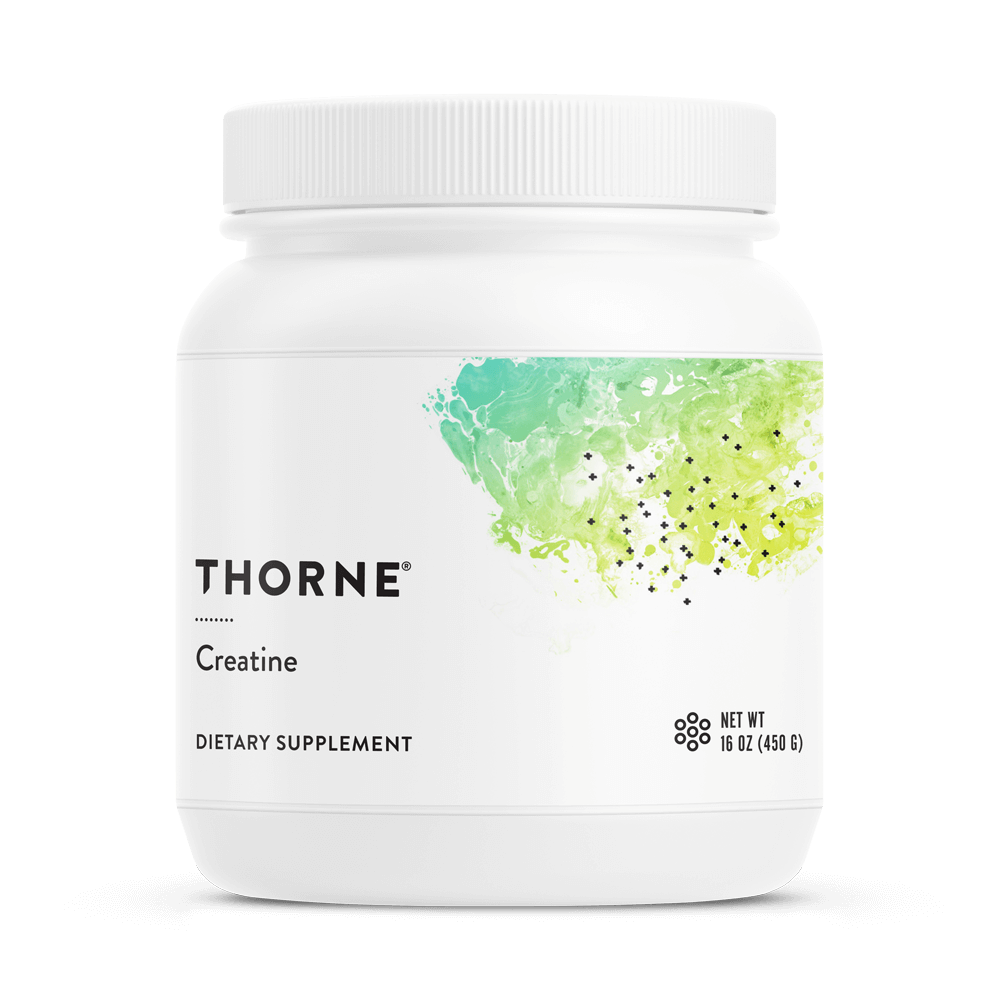
Eat4Sport Gift Giving Guide-Day 1

|
|
 |
||||
|
||||
|
||||

|
